


 Home Security & Locksmithing
Double Keyed Deadbolts: Importance and Safety Risks
 Alex Turner
 Sep 28, 2026
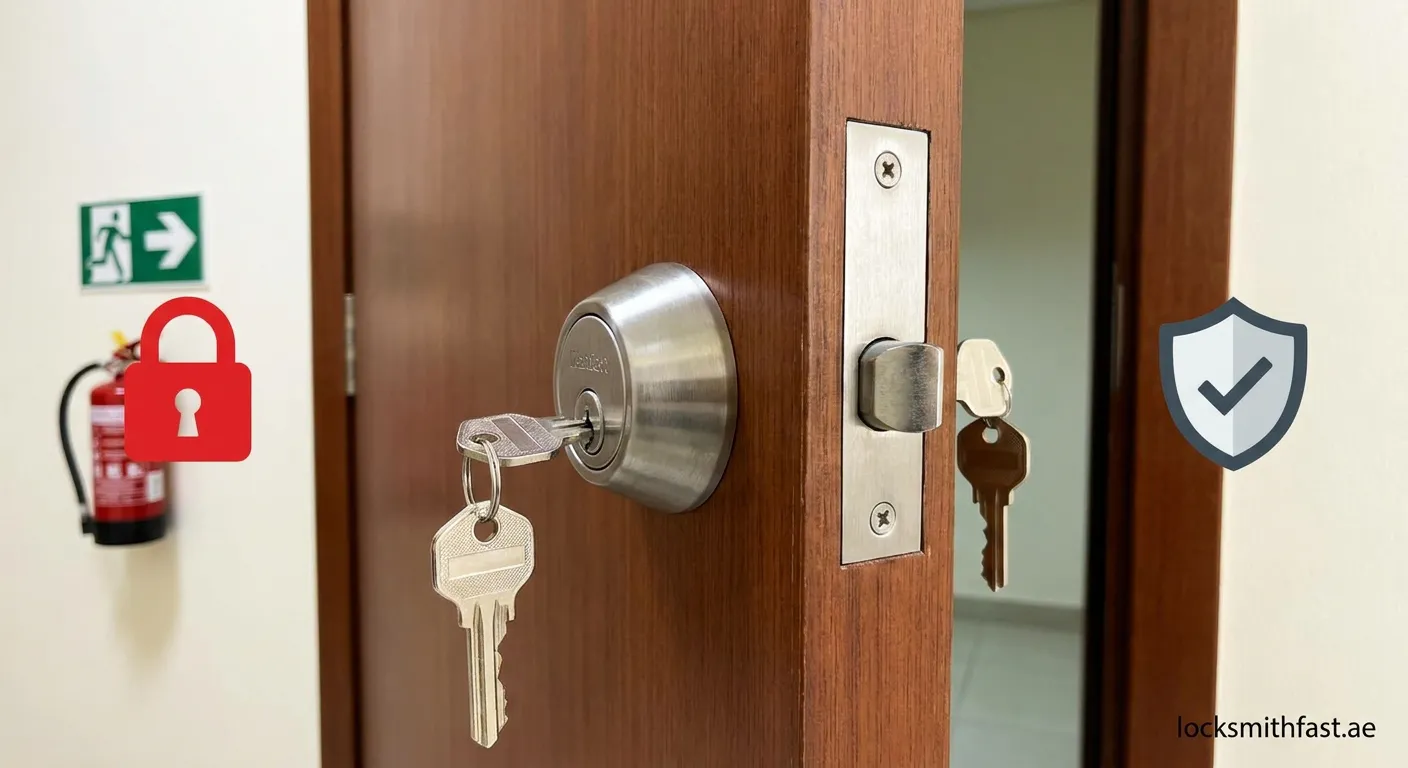
Understanding the importance of double keyed deadbolts (and risks) helps homeowners make informed security choices. Learn how these double-sided locks protect homes while posing emergency challenges.
When evaluating residential and commercial physical security, the importance of double keyed deadbolts (and risks) is a critical topic every property owner should examine. Unlike standard single-cylinder deadbolts that feature a simple thumbturn on the interior side, a double keyed deadbolt requires a physical key to lock and unlock the mechanism from both inside and outside.
Understanding the Security Advantages
Double cylinder deadbolts provide distinct security advantages, particularly for entryways with vulnerable architectural features:
- Glass Panel Protection: If an exterior door has decorative glass panels or sidelights nearby, a burglar can shatter the glass and reach inside. With a single-cylinder lock, turning the thumbturn takes seconds. A double-sided deadbolt eliminates this exploit because there is no latch to turn manually.
- Burglary Deterrence: Even if intruders gain access through an alternative opening, such as a narrow basement window, they cannot easily open standard exterior exit doors from within to haul large appliances or furniture out of the house.
- Controlled Access: In commercial or specialized storage settings, double cylinder locks prevent unauthorized personnel from exiting through specific doors without possessing the correct master key.
Physical security is only as strong as its weakest access point; double cylinder locks effectively eliminate the risk of reachable interior turn-knobs.
Identifying the Associated Risks
While the security benefits are evident, understanding the importance of double keyed deadbolts (and risks) means confronting significant life safety hazards.
1. Emergency Evacuation Delays
In emergencies such as structural fires, toxic smoke quickly diminishes visibility and induces panic. If a door requires a key to exit, trapped occupants may struggle to locate the key in the dark, leading to devastating delays during critical moments of egress.
2. Building Code Violations
Because of serious life safety concerns, many municipal building and fire safety codes strictly prohibit double keyed deadbolt installations in residential dwellings. Single-motion egress mechanisms are frequently mandatory for main residential exits.
3. Key Management Issues
Double keyed locks demand rigorous key discipline. Misplacing an interior key or failing to keep one within designated proximity can leave residents locked inside their own properties.
Practical Best Practices and Safe Alternatives
To maximize security without compromising personal safety, consider these practical recommendations:
- Strategic Key Placement: If local regulations permit double keyed locks, securely position an emergency key near the door—accessible to occupants during an evacuation but out of arm's reach from any broken window.
- Impact-Resistant Glass: Upgrade windows and adjacent sidelight panes to laminated security glass or apply polycarbonate security film instead of replacing standard locks.
- Smart Deadbolts and Captive Keys: Explore captive key deadbolts with removable thumbturn keys or smart electronic deadbolts equipped with interior tamper detection and automated emergency release systems.
Balancing Security and Safety
Choosing the right door hardware requires balancing high security with life safety. If you need expert lock advice or emergency lockouts, our Car-locksmith Al Buteen team is always ready to assist.
 deadbolts, double keyed locks, door security, home safety, lock installation

