


 Car Key Maintenance
Worn Car Key Blade? Here Is What To Do
 Alex Miller
 Dec 15, 2025
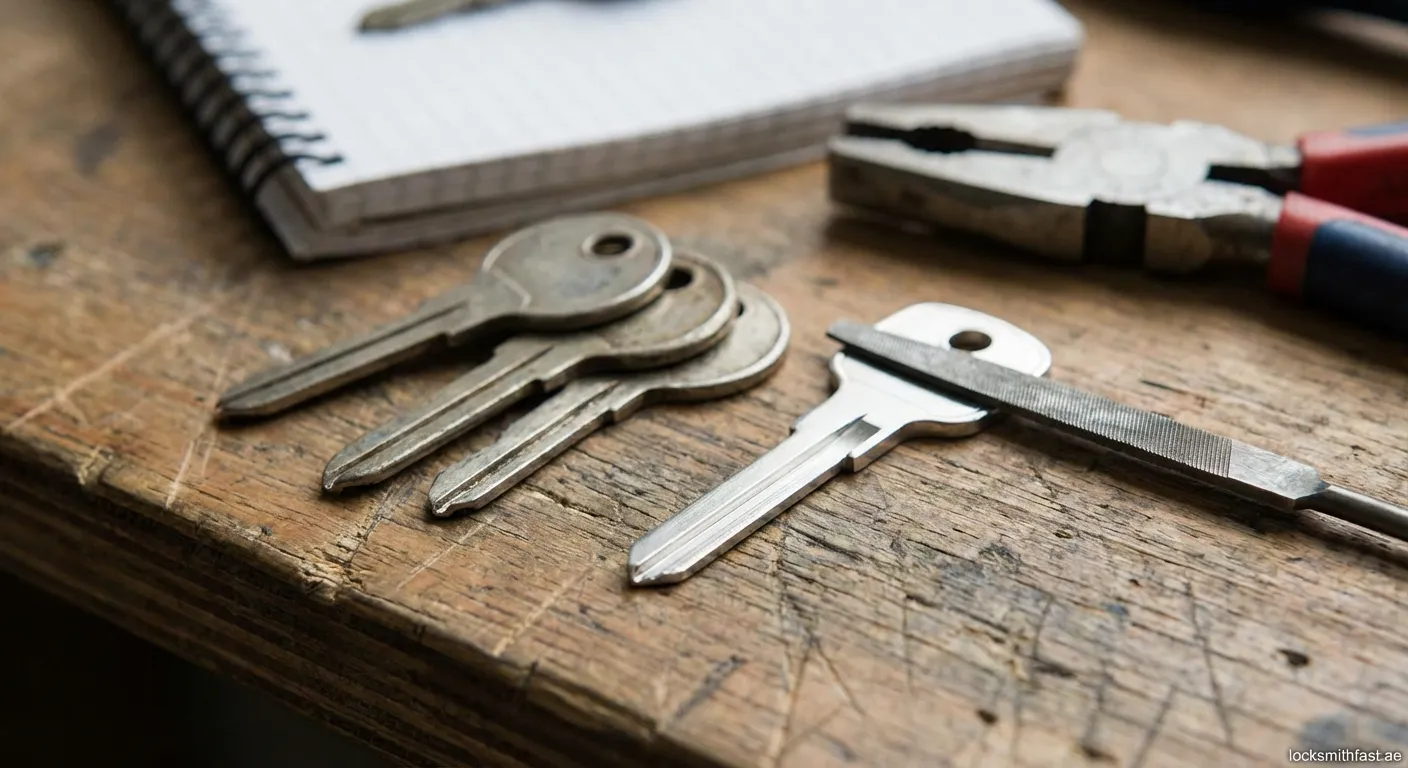
Struggling to turn your ignition? You might be wondering what to do if your car key blade is worn. Ignoring this issue can lead to costly lock repairs and getting stranded.
Is your car key struggling to turn in the ignition? Does it feel loose or wiggle when inserted into the door lock? These are classic signs of metal fatigue. Many drivers ignore these subtle warnings until it is too late, leading to a lockout or a damaged ignition cylinder. Knowing what to do if your car key blade is worn is essential for maintaining vehicle access and avoiding expensive repairs.
Signs Your Key Blade is Wearing Out
Car keys are durable, but they are not invincible. Every time you insert the key, the metal ridges grind against the pins inside the lock. Over years of use, the sharp edges of the key "teeth" become rounded and smooth.
If you are unsure if your key is the problem, look for these indicators:
- Visual Inspection: Compare your daily key to your spare key. If the daily key looks significantly smoother or thinner, it is worn.
- Difficulty Turning: You have to jiggle the key or pull it out slightly to get the engine to start.
- Sticking: The key is difficult to insert or remove from the ignition or door lock.
The Risks of Ignoring a Worn Blade
The most dangerous misconception is that a worn key is just a minor annoyance. In reality, continuing to use a damaged blade poses significant risks to your vehicle's hardware.
- Ignition Cylinder Damage: A worn key does not push the internal wafers or pins to the correct height. Forcing the key to turn grinds down these internal components, eventually requiring a complete ignition replacement.
- Key Snapping: Metal fatigue weakens the structural integrity of the blade. A worn key is much more likely to snap off inside the lock, leaving you stranded.
- Unexpected Lockout: Eventually, the key will simply stop working altogether, likely at the most inconvenient time.
What to Do if Your Car Key Blade is Worn: Step-by-Step
If you have confirmed the issue, follow these steps to resolve it safely.
1. Stop Using the Worn Key Immediately
If you have a spare key that is in good condition, switch to it immediately. Continuing to use the bad key accelerates the damage to your car's locks.
2. Do Not Duplicate the Worn Key at a Kiosk
This is a critical mistake. If you take a worn key to a standard hardware store or an automated kiosk, the machine will trace the worn outline. You will simply end up with a brand-new key that has the same bad cut as the old one. This defines what to do if your car key blade is worn: you need a code cut, not a trace.
3. Contact a Professional Auto Locksmith
The only definitive solution is to have a new blade cut "to code." A professional locksmith can:
- Read the Lock: Determine the original factory cuts required for your vehicle.
- CNC Cutting: Use a high-precision machine to cut a fresh blade that matches the original factory specifications, restoring the sharp peaks and valleys.
- Shell Replacement: If your remote fob works but the blade is bad, a locksmith can often swap the internal electronics into a new shell with a freshly cut blade, saving you the cost of reprogramming.
4. Lubricate the Locks
Once you have a new key, it is wise to lubricate your ignition and door locks using a dry Teflon-based lubricant or graphite. This reduces friction and extends the life of your new key blade.
Summary
Understanding what to do if your car key blade is worn prevents minor maintenance from turning into a major repair bill. Never force a sticky key. By consulting a certified locksmith to cut a key by code rather than duplication, you ensure your ignition remains healthy and your car remains accessible.
Expert Key Restoration
Don't wait until your key snaps inside the lock. Addressing a worn blade early saves money and stress. We also offer expert assistance at our Car-locksmith Palm Deira location for fast, reliable service in that area.
 car key repair, worn key blade, auto locksmith, ignition fix

