


 Smart Home Security
The Pros and Cons of Fingerprint Door Locks
 Mark Turner
 Dec 29, 2025
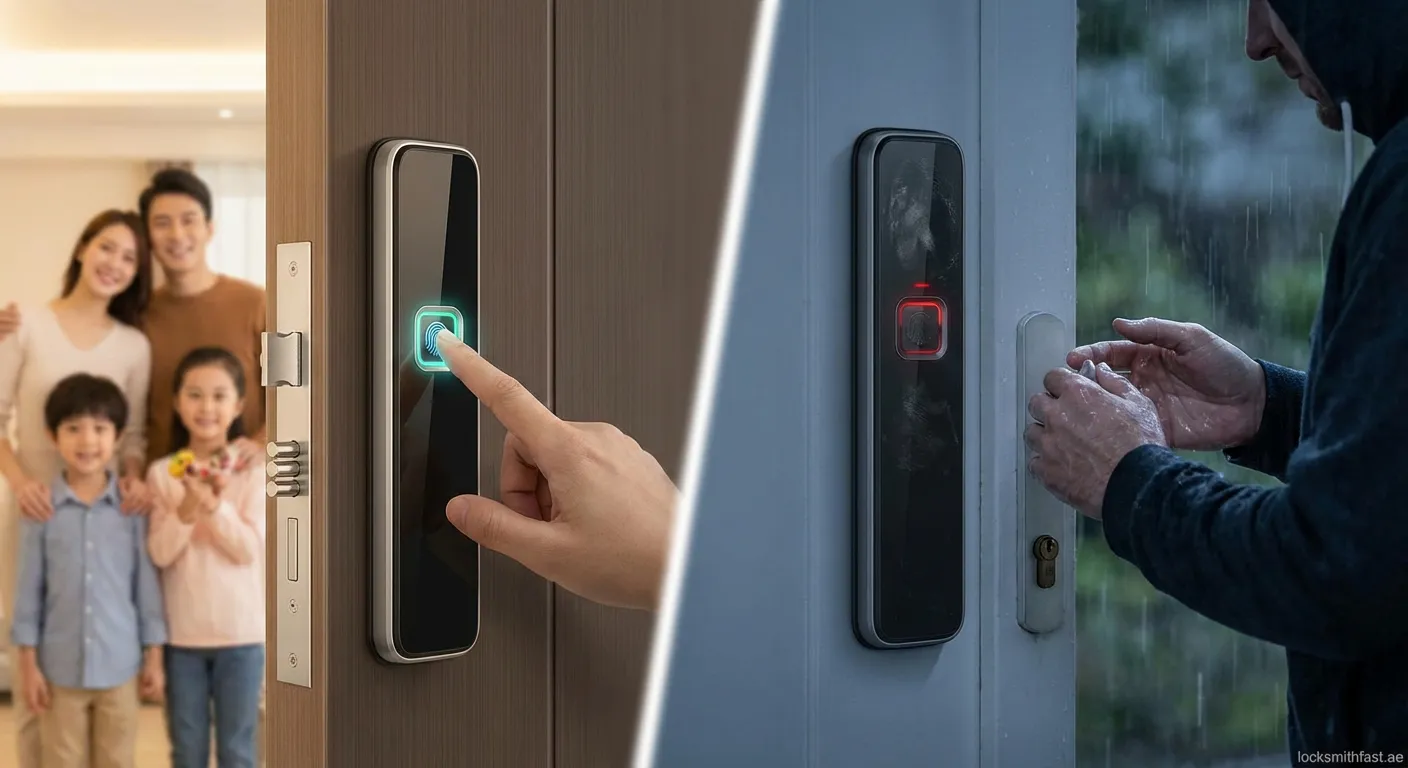
Upgrading your home security is a major decision. We analyze the pros and cons of fingerprint door locks to help you decide if biometric tech is right for your front door.
Biometric technology has moved from science fiction to our front porches. Homeowners are increasingly ditching traditional keys in favor of smart systems. However, before investing in this technology, it is crucial to understand the pros and cons of fingerprint door locks to determine if they are the right fit for your security needs.
Understanding Biometric Locks
Fingerprint door locks utilize unique biological data—your fingerprint—to grant access. Unlike standard locks that require a physical key, these devices use optical or capacitive scanners to read the ridges and valleys of your finger. This shift represents a significant upgrade in how we approach residential access control.
The Advantages of Fingerprint Systems
When analyzing the pros and cons of fingerprint door locks, the benefits often outweigh the drawbacks for tech-savvy homeowners.
Unmatched Convenience
The most significant benefit is the elimination of physical keys. You no longer need to fumble through your bag or worry about losing your keychain. Your finger is the key, and it is always with you. This is particularly useful for:
- Children: No more lost keys after school.
- Guests: Temporary access can be programmed without cutting spare keys.
- Emergency Access: Quick entry when carrying groceries or during an emergency.
Enhanced Security Features
Traditional locks can be picked or bumped. Biometric locks are significantly harder to bypass using physical force. Furthermore, there are no keys to be stolen or copied at a hardware store. Many high-end models also feature:
- Access Logs: Track who enters your home and when.
- Auto-Locking: The door locks itself automatically after a set period.
- Integration: Connection with smart home hubs and alarm systems.
The Disadvantages and Risks
Despite the futuristic appeal, there are downsides to consider when reviewing the pros and cons of fingerprint door locks.
Reliability and Power Dependence
Unlike a mechanical deadbolt, a smart lock requires power. Most run on batteries. If the batteries die and you ignore the low-battery warnings, you could be locked out. While many models have backup keyways or jump-start ports, it adds a layer of maintenance that traditional locks do not require.
False Rejections and Environmental Factors
Biometric scanners can sometimes fail to read a fingerprint. This is often caused by:
- Dirty or Wet Hands: Rain, grease, or dirt can obscure the print.
- Scratches: A cut on your finger might prevent recognition.
- Cold Weather: Some older sensors struggle in freezing temperatures.
Cost and Installation
The initial investment is significantly higher than a standard lock. You are paying for the motor, the sensor, the software, and the connectivity. Additionally, installation might require drilling or professional assistance if the lock footprint doesn't match your existing door prep.
Security Vulnerabilities
While hard to pick, smart locks are electronic devices. This means they can theoretically be hacked, though this is rare for reputable brands. It is essential to keep firmware updated to patch any security holes.
Who Should Buy One?
If you value convenience and integration with a smart home ecosystem, a fingerprint lock is an excellent upgrade. However, if you prefer a "install and forget" system with zero maintenance, a traditional deadbolt remains the superior choice. by weighing the pros and cons of fingerprint door locks, you can balance modern convenience against maintenance requirements.
Final Verdict on Smart Locks
Weighing the pros and cons of fingerprint door locks ensures you make a smart investment. If you ever face technical issues or get locked out, we can help. We also offer a reliable House-lockout Wadi Zikt service for immediate assistance.
 biometric locks, smart home security, keyless entry, home safety

