


 Smart Locks
Smart Locks with Fingerprint Recognition: Reliability Guide
 Alex Johnson
 Jun 22, 2026
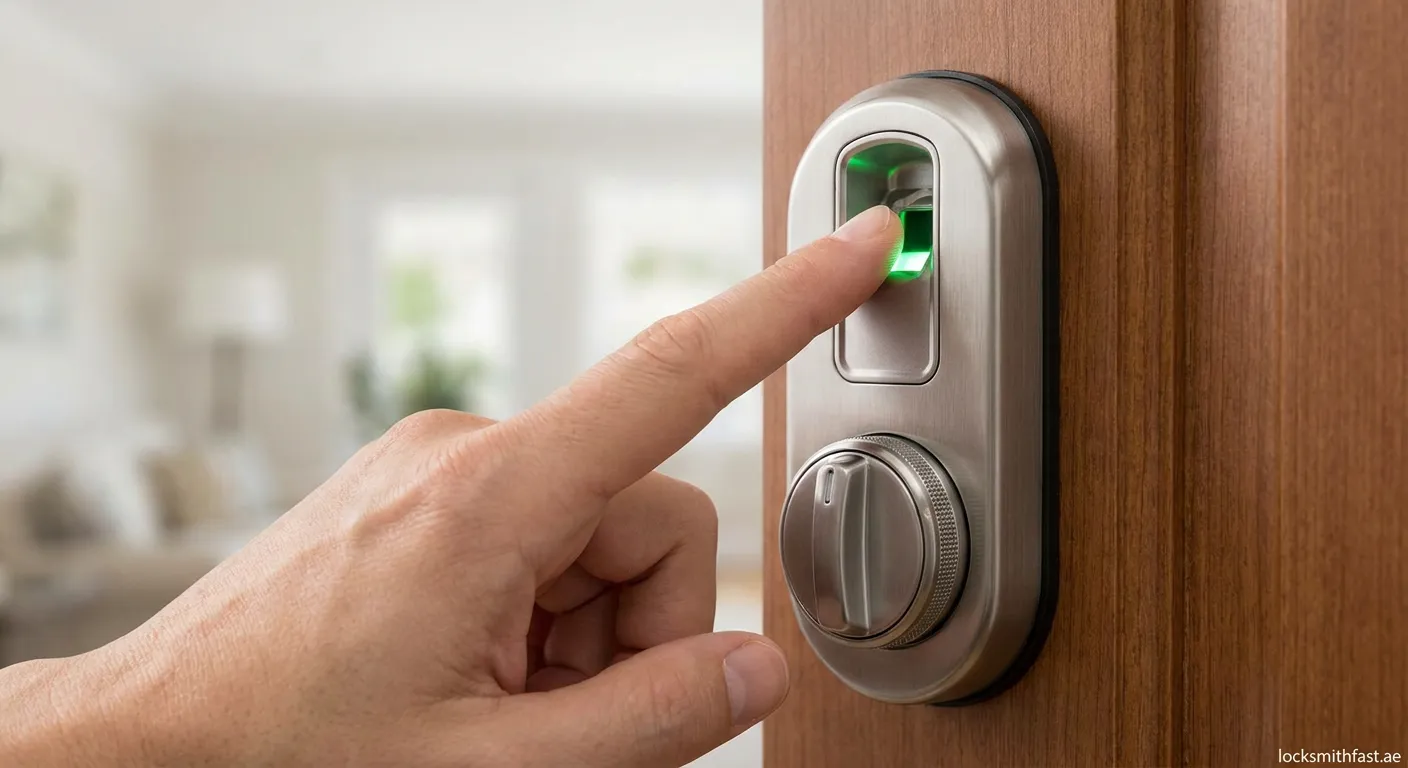
Fingerprint smart locks have become increasingly popular as homeowners seek convenient keyless entry solutions.
How Fingerprint Smart Locks Work
Fingerprint recognition technology in smart locks uses biometric sensors to capture and store unique ridge patterns of your fingerprints. When you touch the sensor, it compares your print against stored templates within milliseconds.
Types of Sensors
There are two main types:
- Optical sensors: Use light to capture fingerprint image
- Capacitive sensors: Detect electrical signals from ridges
Capacitive sensors are generally more accurate and reliable than optical ones, especially in varying weather conditions.
Reliability Factors to Consider
When asking "Are fingerprint smart locks reliable?", consider these key factors:
Recognition Accuracy Rates
Quality models achieve 99%+ accuracy rates, recognizing authorized users within 0.3 seconds. However, several factors can affect performance:
- Sensor quality and resolution
- Environmental conditions (rain, dirt, humidity)
- Finger condition (cuts, dryness, moisture)
- Number of stored fingerprints in database
Security Features Worth Having
Modern biometric door locks employ multiple protective measures:
- AES-256 encryption for all stored fingerprint data
- Anti-spoofing technology detects fake prints
- Tamper alarms alert homeowners to break-in attempts
- Auto-lock features after multiple failed attempts (usually 5 tries)
- Temporary access codes for guests or service workers
Advantages Over Traditional Locks
Smart locks with fingerprint recognition offer distinct benefits:
| Feature | Traditional Deadbolt | Smart Fingerprint Lock |
|---|---|---|
| Access Logs | No | Yes (detailed history) |
| Remote Access | No | Yes (via smartphone) |
| Keyless Entry | No | Yes |
| Multi-user Support | Limited copies | Up to 100 users |
| Temporary Access | Difficult | Easy via app |
Potential Drawbacks Before Buying
Despite benefits, fingerprint recognition systems have limitations:
False Rejection Issues
- Valid fingerprints sometimes not recognized on first try
- Cold or wet fingers may fail initial scan attempt
- Elderly users with worn fingerprints face challenges
Power Dependency Concerns
Most fingerprint smart locks require batteries, creating potential lockout scenarios. Quality models include:
- Low battery warnings (weeks in advance)
- Backup power ports for emergency access
- Physical key override options as backup entry method
Installation and Compatibility Tips
Before purchasing smart locks with fingerprint recognition, verify compatibility with your door:
- Check door thickness requirements (usually 1.75" minimum)
- Ensure proper backset measurement (2.375" or 2.75" standard)
- Confirm Wi-Fi connectivity strength at entry point location
- Consider professional installation for complex setups requiring expertise.
Making the Right Choice
Fingerprint smart locks offer excellent convenience and reliability for most homeowners when properly selected and installed. While they have limitations, quality models provide secure access control worth the investment.
Need help with broken key extraction? Our Broken-key-extraction Bahya service is available 24/7.
 smart locks, fingerprint scanner, biometric security, home protection

