


 Security Standards
Understanding ISO Standards for Security Locks
 Michael Thompson
 Aug 31, 2026
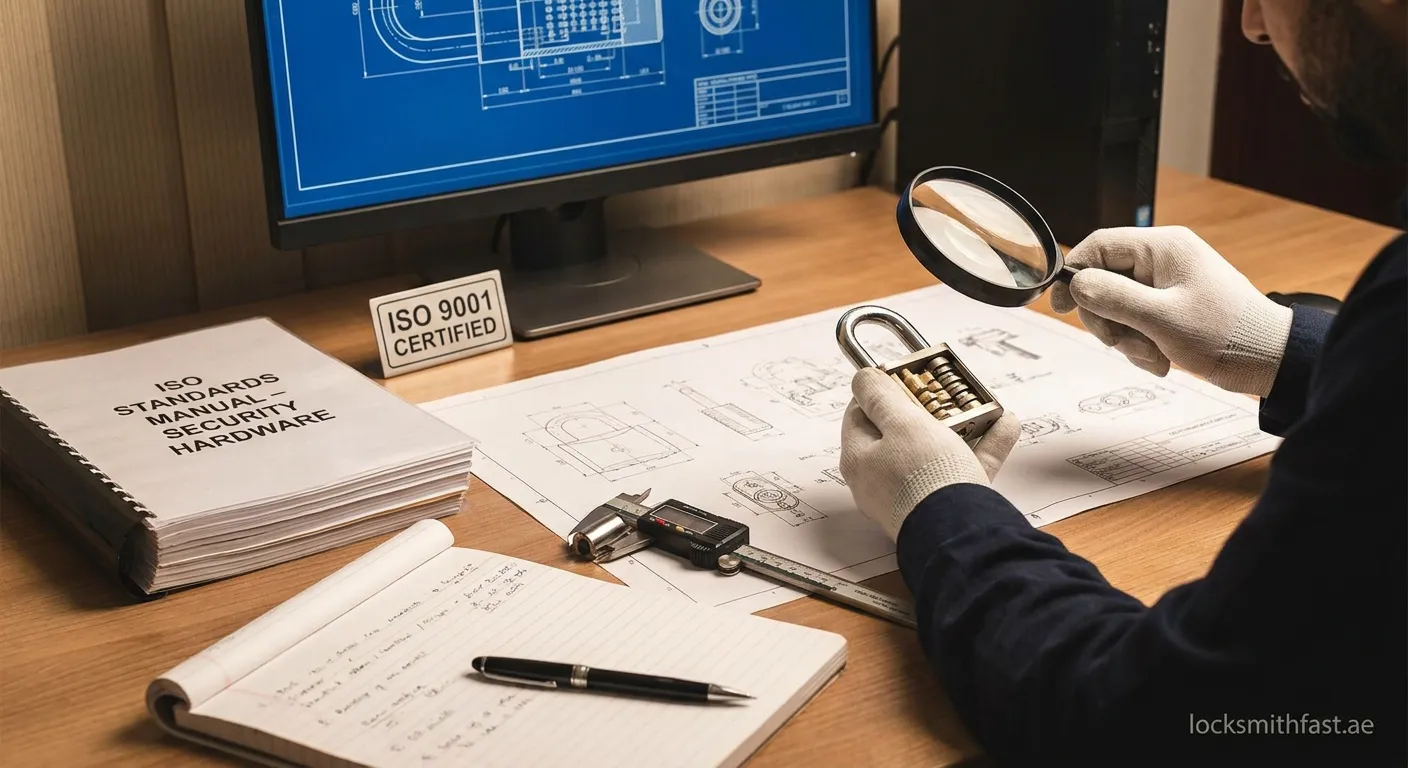
ISO standards define quality and security benchmarks for lock manufacturing worldwide. Understanding these standards helps property owners choose reliable, tested security solutions that meet international requirements.
What Are ISO Standards for Security Locks?
The International Organization for Standardization (ISO) develops globally recognized standards that ensure products meet specific quality and safety requirements. When it comes to security locks, ISO standards provide a framework for manufacturers to create reliable, tested, and certified products.
Understanding the ISO standards for security locks involves knowing several key certifications:
- ISO 9001 - Quality management systems
- ISO 14001 - Environmental management
- ISO 45001 - Occupational health and safety
- EN 1303 - European standard for cylinder locks
- EN 12209 - Building hardware for locks and latches
Key Testing Methods and Criteria
ISO-certified locks undergo rigorous testing procedures to ensure they meet specific performance standards:
Durability Testing
Locks are subjected to thousands of opening and closing cycles to verify longevity. A high-quality ISO-certified lock can withstand:
- 200,000+ cycle tests
- Extreme temperature variations (-20°C to +70°C)
- Corrosion resistance tests
- Impact resistance evaluations
Security Grade Classifications
Security locks are classified into different grades based on their resistance to various attack methods:
| Grade | Resistance Level | Typical Application |
|---|---|---|
| Grade 1 | Highest | Commercial/Industrial |
| Grade 2 | Medium | Residential |
| Grade 3 | Basic | Light-duty use |
"ISO certification isn't just a label—it's your guarantee that a lock has been independently tested and verified to meet international security standards."
Benefits of Choosing ISO-Certified Locks
When understanding the ISO standards for security locks, consider these advantages:
- Reliability: Consistent performance under various conditions
- Insurance compliance: Many insurers require ISO-certified locks
- Warranty protection: Manufacturers stand behind certified products
- Interchangeability: Standardized dimensions and specifications
How to Verify ISO Certification
Before purchasing security locks, follow these steps:
- Check for the ISO certification mark on the product
- Request official certification documentation
- Verify the certificate number on the ISO database
- Ensure the certification covers the specific lock model
Red Flags to Watch For
Be cautious of:
- Missing or incomplete certification documentation
- Certificates from unrecognized bodies
- Locks claiming certification without proper marking
Industry-Specific Requirements
Different sectors may require specific ISO certifications:
- Commercial buildings: Often require Grade 1 certified locks
- Healthcare facilities: Additional hygiene and safety standards
- Government buildings: Enhanced security protocols
- Residential properties: Grade 2 typically sufficient
Making Informed Security Choices
Understanding ISO standards for security locks helps you make informed decisions when choosing protection for your property. Always verify certifications before purchasing. For professional lock services, including emergency assistance, we also offer reliable door-unlocking solutions in Jumeira Bay.
 ISO standards, security locks, lock certification, door security, ISO 9001

