


 Lock Installation
Replacing Vintage Locks on Old Doors: A Complete Guide
 Michael Anderson
 Aug 10, 2026
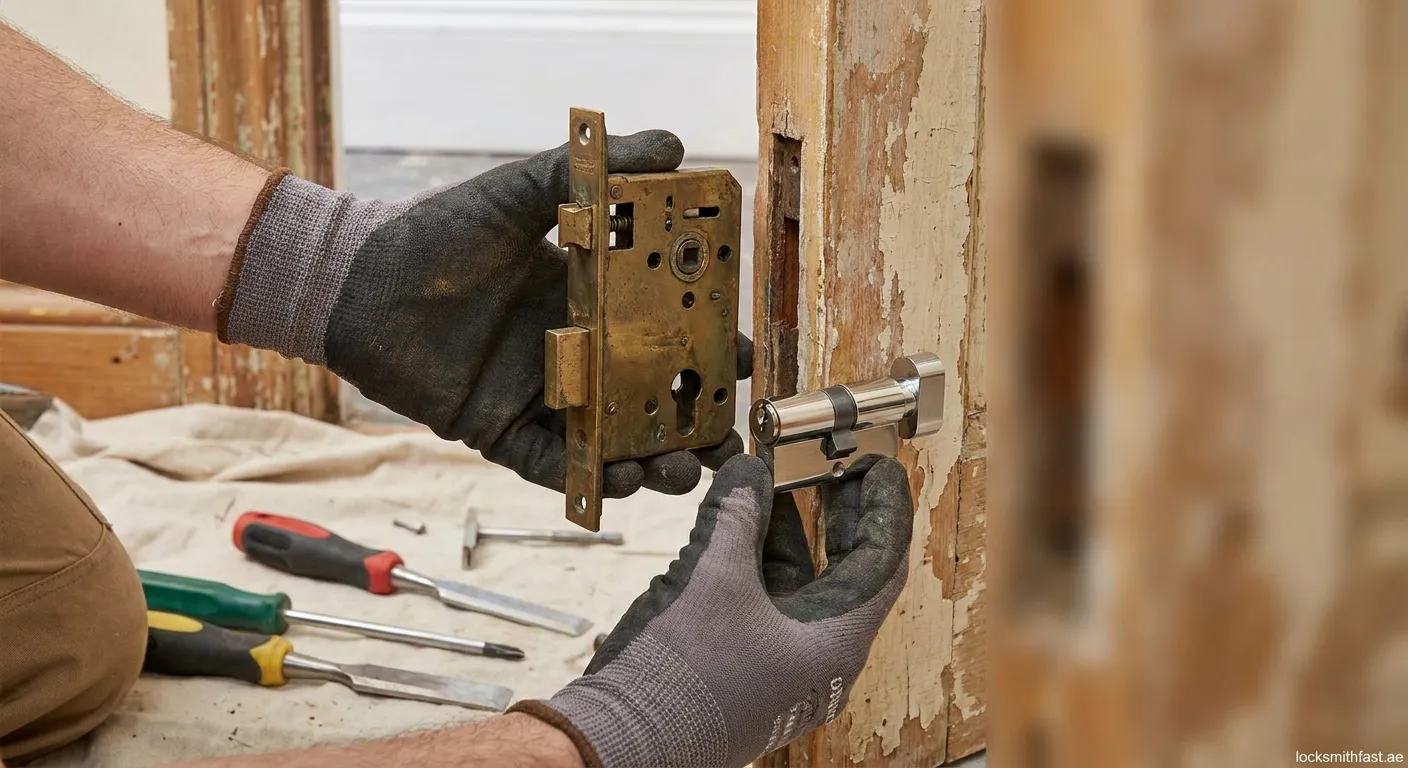
Replacing vintage locks on old doors requires careful attention to preserve historical character while upgrading security for modern standards.
Replacing vintage locks on old doors requires careful planning and the right approach to preserve your home's character while improving security.
Why Replace Vintage Locks?
Old locks often become unreliable over time. Worn mechanisms, rusted components, and outdated security features make replacing vintage locks on old doors a necessary upgrade. However, balancing modern security with historical aesthetics presents unique challenges.
Common Issues with Antique Locks:
- Key jamming due to worn tumblers
- Loose fittings from decades of use
- Outdated security standards vulnerable to picking
- Missing or damaged parts no longer manufactured
Assessing Your Vintage Lock Situation
Before replacing vintage locks on old doors, evaluate whether repair or full replacement is necessary. Sometimes professional cleaning and lubrication restore functionality.
Signs You Need Replacement:
- Keys frequently stick or won't turn
- Lock mechanism feels loose or wobbly
- Visible damage to lock body or strike plate
- Security concerns due to outdated design
Choosing Replacement Options
When replacing vintage locks on old doors, consider three main approaches:
1. Period-Accurate Reproductions
Manufacturers create reproduction locks matching Victorian, Art Deco, or Colonial styles. These offer modern security internals with authentic exteriors.
2. Restored Original Hardware
Professional locksmiths can restore original locks with new internal components while keeping visible parts intact.
3. Concealed Modern Locks
Install modern deadbolts discreetly above or below existing hardware for added security without visual impact.
Tools and Materials Needed
For successful vintage lock replacement:
- Screwdrivers (flathead and Phillips)
- Measuring tape and calipers
- Chisel set for mortise adjustments
- Drill with appropriate bits
- Replacement lock hardware
- Wood filler for touch-ups
Step-by-Step Replacement Process
Step 1: Remove Existing Hardware
Carefully unscrew all components, documenting placement with photos.
Step 2: Measure Accurately
Record backset distance, bore hole size, and cross-bore measurements precisely.
Step 3: Prepare Door Surface
Clean recesses and fill unnecessary holes before installing new hardware.
Secure Your Historic Doors
Properly replacing vintage locks protects your historic doors while maintaining their character. For expert assistance in Me'aisem First, visit Safe-opening Me'aisem First for professional services that preserve your door's authenticity.
 vintage locks, door hardware, lock replacement, restoration, home security

