


 Security & Safety
How to Choose a Fire Resistant Safe: Expert Guide
 Michael Anderson
 Jun 20, 2026
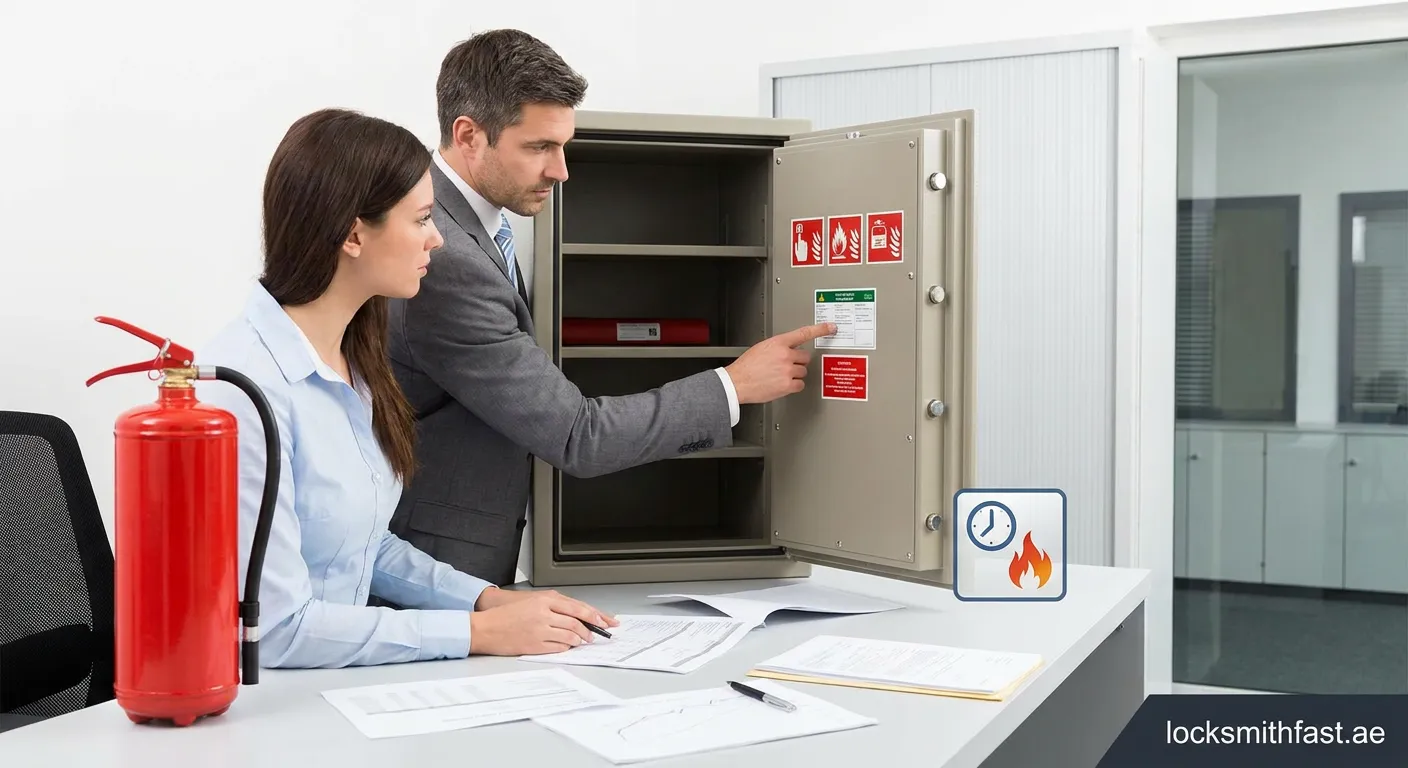
Protecting your valuables from fire starts with choosing the right safe. This comprehensive guide explains essential features, ratings, and factors to consider when making this critical investment.
Understanding Fire Safe Ratings
When learning how to choose a fire resistant safe, ratings are your first consideration. The UL rating system classifies safes based on temperature resistance and duration:
- UL Class 350: Maintains internal temperature below 350°F—ideal for paper documents
- UL Class 150: Stays below 150°F—required for magnetic media and digital storage
- UL Class 125: Below 125°F—necessary for sensitive electronics
Fire Duration Ratings
| Rating | Protection Time | Best For |
|---|---|---|
| 1-hour | 1700°F | Home documents |
| 2-hour | 1850°F | Business records |
| 3-hour | 2000°F | Critical archives |
Key Features to Evaluate
Construction Quality
A quality fire resistant safe features:
- Steel thickness: Minimum 12-gauge steel for adequate protection
- Fire insulation: Vermiculite or ceramic fiber layers
- Door seals: Intumescent strips that expand during fires
Size and Capacity Considerations
When deciding how to choose a fire resistant safe, consider:
- Current valuables: List everything needing protection
- Future needs: Allow 20% extra capacity for growth
- Placement area: Measure available floor space accurately
"A common mistake is purchasing a safe that's too small—always buy larger than you think you need." — Security Expert Recommendation
Waterproof vs. Fire Resistant
Many fire resistant safes also offer water protection—a crucial feature since firefighting involves water hoses.
Look for:
- ETL waterproof certification
- Sealed door mechanisms
- Raised door sills preventing water intrusion
Digital Media Protection Tips
Standard paper-rated safes won't protect hard drives or USBs.
For digital storage:
- Choose UL Class 125 or 150 ratings specifically
- Verify humidity control features exist
- Consider dedicated data media chests inside larger safes
Installation Requirements
Proper installation affects your safe's effectiveness:
- Floor anchoring: Bolt into concrete whenever possible
- Location choice: Ground floor preferred over upper levels
- Accessibility: Balance security with practical access needs
Warranty and Certification Matters
Always verify:
- Independent laboratory testing certificates exist
- Manufacturer warranty covers fire damage clearly
- Replacement guarantees provide adequate protection periods
Make an Informed Decision
Choosing the right fire resistant safe ensures your valuables remain protected when disaster strikes. Consider ratings, construction quality, and your specific needs before purchasing. For professional installation and expert advice, explore our Smart-lock-installation Al Araad services today.
 fire resistant safe, fireproof safe, security safes, home protection, fire ratings

