


 Automotive Tips
Common Reasons Why Car Keys Stop Working
 Mitchell James
 Jul 04, 2026
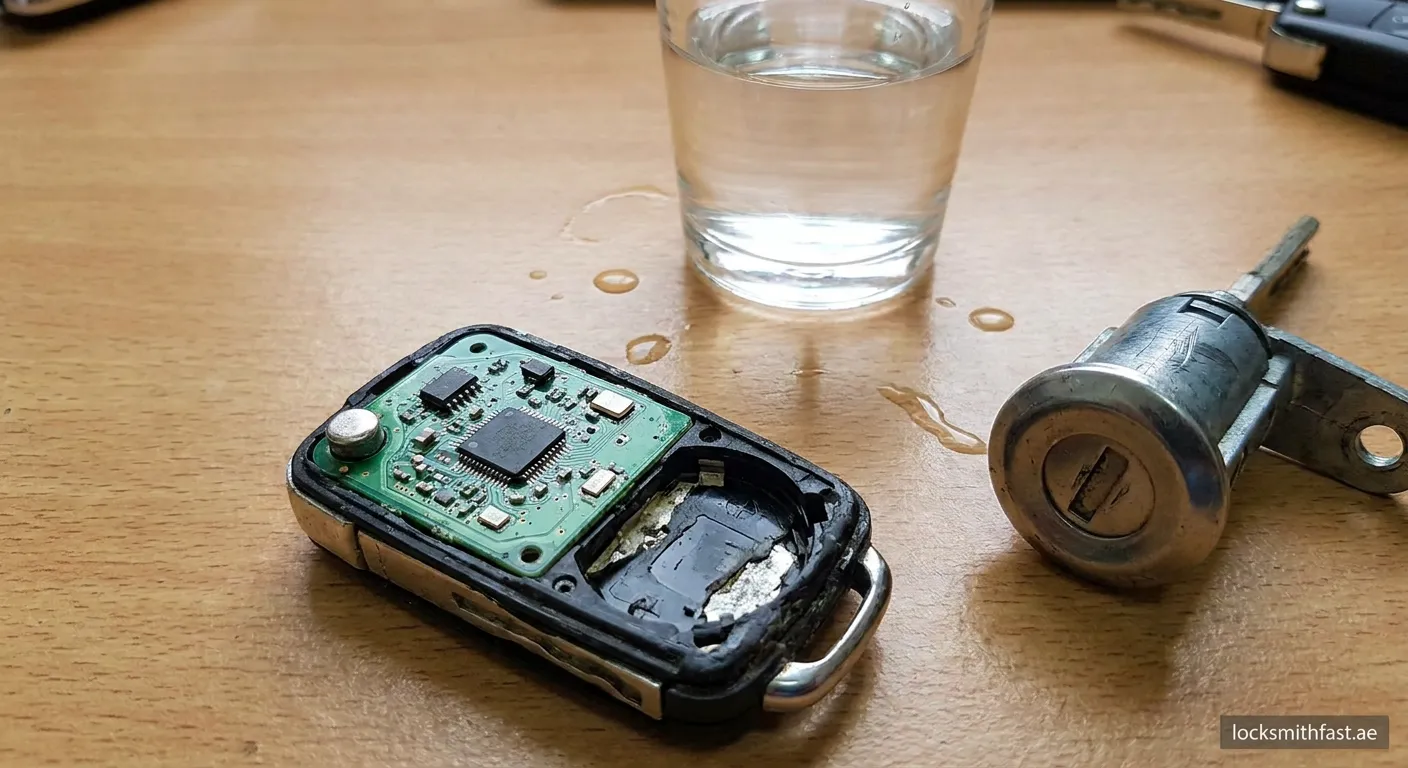
Car keys failing unexpectedly can ruin your day and leave you stranded at the worst moments. Understanding the root causes helps you prevent issues before they escalate into costly emergencies.
Dead Battery in Key Fob
One of the most frequent culprits behind non-responsive car keys is a dead battery inside the key fob. Most modern vehicles rely on electronic fobs that communicate wirelessly with your car's receiver. When the battery depletes, signals cannot transmit effectively.
Signs of a Dying Key Fob Battery:
- Reduced range when locking/unlocking remotely
- Intermittent response requiring multiple button presses
- Dashboard warning lights indicating low key battery
- Complete failure to communicate with vehicle
Replacing the battery is usually straightforward and inexpensive. Most fobs use standard coin-cell batteries (CR2032 or CR2025) available at any electronics store.
Physical Wear and Damage
Common Reasons Why Car Keys Stop Working often involve physical deterioration over time. Keys experience constant friction inside locks and ignition cylinders, gradually wearing down their cuts and grooves.
Types of Physical Damage:
- Worn-out teeth – Repeated insertion causes metal to erode, preventing proper alignment with lock tumblers.
- Bent or warped keys – Accidental bending distorts the precise shape needed for operation.
- Cracked fob casing – Drops and impacts damage internal electronics and circuit boards.
Regular inspection of your key's condition can prevent sudden failures at inconvenient moments.
Signal Interference Issues
Modern vehicles use radio frequency signals for keyless entry and push-button start systems. Various environmental factors can disrupt these communications:
- Radio frequency interference from nearby transmitting devices
- Electromagnetic interference from power lines or industrial equipment
- Signal jamming devices used for criminal purposes
- Parking structures with extensive metal infrastructure
If your key works inconsistently depending on location, interference may be the culprit.
Internal Electronics Failure
Key fobs contain delicate electronic components that can malfunction without visible external damage:
| Component | Failure Symptoms |
|---|---|
| Transponder chip | Car won't start despite turning |
| Circuit board | Buttons stop responding |
| Antenna | Reduced signal range |
| Solder joints | Intermittent operation |
Water damage from rain, spills, or humidity can corrode internal connections. Even moisture from sweaty pockets may gradually affect electronics.
Vehicle Receiver Problems
Sometimes the issue isn't with your key at all—your car's receiving system may be at fault:
- Faulty antenna module near steering column
- Damaged wiring harness connecting receiver components
- Software glitches in vehicle's immobilizer system
- Blown fuses affecting keyless entry circuits
Professional diagnostic equipment can identify whether your vehicle or key requires attention.
Debris in Lock Cylinder
Traditional mechanical keys face obstruction from accumulated dirt, dust, and grime inside lock mechanisms. This is especially common for older vehicles or those frequently exposed to outdoor elements.
Using graphite-based lubricants designed specifically for locks can help clear obstructions and restore smooth operation.
Key Takeaways and Solutions
Don't let a faulty key leave you stranded. Understanding these issues helps you act fast when problems arise. Need expert assistance? Our professional Safe-opening Al Dhaid service is ready to help you regain access quickly and safely.
 car keys, key fob problems, automotive, car maintenance, key repair

