


 Security Tips
What Is a Bump Key and How to Protect Against It
 James Wilson
 Sep 05, 2026
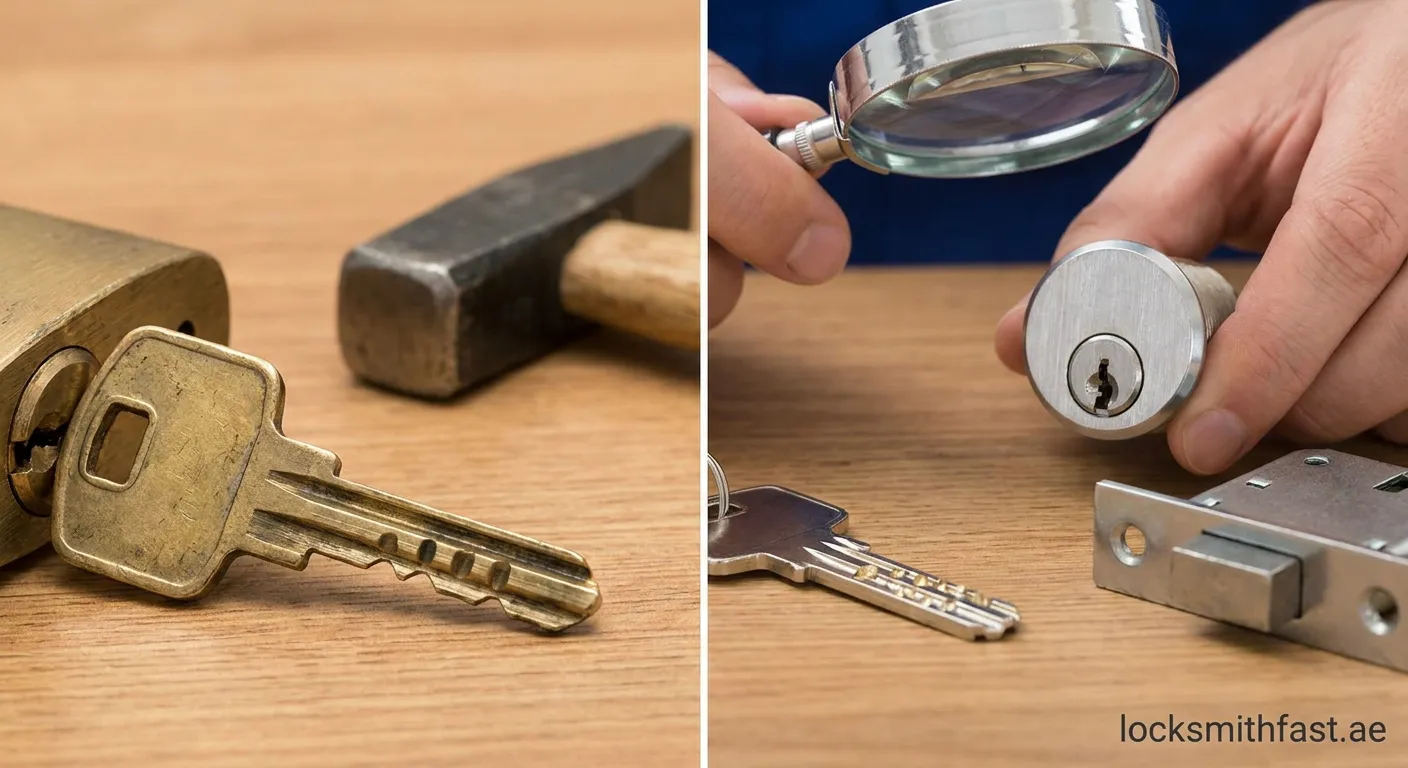
A bump key poses a serious threat to traditional lock security, potentially opening 90% of standard locks within seconds. Understanding this vulnerability is crucial for protecting your home and belongings from unauthorized access.
What Is a Bump Key?
A bump key is a specially modified key designed to open pin tumbler locks without the original key. This technique, known as lock bumping, exploits a mechanical weakness in most standard locks. The key is cut to the lowest depth for each pin position, allowing it to "bump" the pins upward when struck.
How Bump Keys Work
The bumping process involves:
- Inserting the bump key slightly into the lock
- Applying light rotational pressure
- Striking the key with a blunt object
- The impact causes pins to jump, creating a brief moment when the lock can be turned
This method works on approximately 90% of conventional residential locks, making it a significant security concern for homeowners.
The History of Lock Bumping
Lock bumping isn't new – it dates back to the 1970s. However, the technique gained widespread attention in the early 2000s when bump keys became easily accessible online. Today, anyone can purchase these keys for a few dollars, raising serious security questions.
Why Bump Keys Are Dangerous
- No visible damage – Locks show no signs of forced entry
- Quick access – Takes only seconds to open
- Minimal skill required – Almost anyone can learn the technique
- Legal availability – Bump keys can be bought openly
How to Protect Against Bump Keys
Understanding what is a bump key and how to protect against it empowers homeowners to take action. Here are effective protection methods:
1. Install High-Security Locks
High-security locks feature:
- Special pin configurations resistant to bumping
- Mushroom pins or spool pins that catch when bumped
- Additional security features like sidebars
Brands like Medeco, Mul-T-Lock, and ASSA ABLOY offer excellent protection.
2. Upgrade to Bump-Resistant Locks
Many manufacturers now produce bump-resistant locks specifically designed to counter this threat. These locks include:
- Anti-bump pins
- Reinforced cylinders
- Complex keyway designs
3. Add Deadbolt Protection
Supplement your primary lock with a quality deadbolt. Look for:
- ANSI Grade 1 rating
- Hardened steel construction
- Minimum 1-inch throw bolt
4. Use Smart Locks
Electronic and smart locks eliminate the mechanical vulnerabilities that bump keys exploit. Options include:
- Keypad entry systems
- Biometric locks
- Smartphone-controlled locks
5. Security Pins Installation
Replace standard pins with security pins in existing locks. This cost-effective solution significantly improves resistance to bumping.
Signs Your Lock Is Vulnerable
Most standard locks manufactured before 2005 are vulnerable. Check for:
- Basic pin tumbler mechanisms
- No security certifications
- Easily duplicated key designs
- Standard Kwikset or Schlage cylinders
Professional Security Assessment
Consider hiring a professional locksmith to evaluate your current security. They can:
- Identify vulnerable locks
- Recommend appropriate upgrades
- Install high-security solutions
- Provide ongoing maintenance
Important: Even the best locks require proper installation. Poorly installed high-security locks may still be vulnerable.
Stay Protected from Bump Keys
Understanding bump keys and their risks is essential for protecting your property. Upgrade to high-security locks, install deadbolts, and consider professional assessment. We also offer safe-opening services in Al Qusais Industrial Area 3 – Safe-opening Al Qusais Industrial Area 3 for expert assistance.
 bump key, lock bumping, lock security, key protection, home security

