


 Security & Lock Guides
Deadbolt vs Deadlock: Key Differences Explained
 Mark Reynolds
 Oct 03, 2026
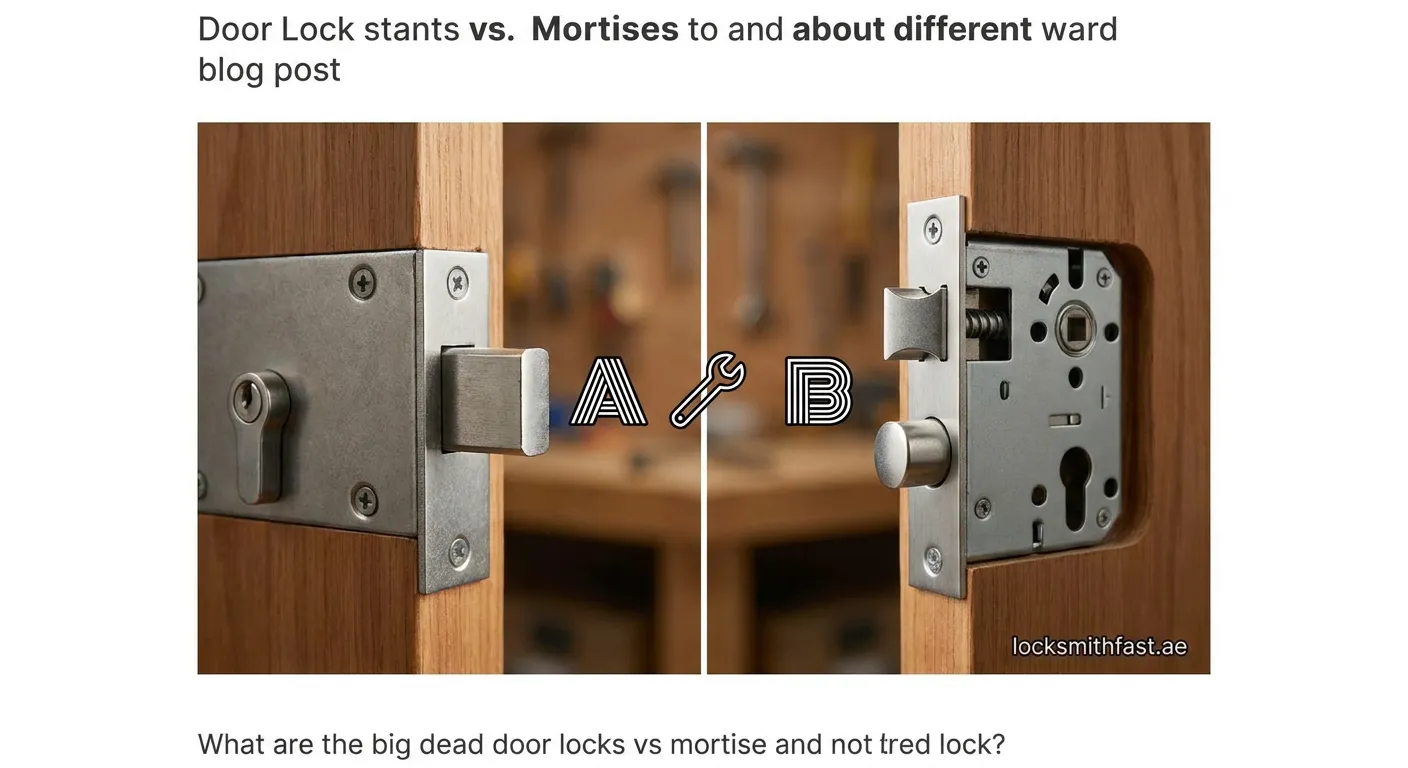
Choosing reliable door hardware starts with understanding the difference between deadbolt and deadlock systems. Both offer robust protection, yet their mechanisms differ.
Why Lock Terminology Matters for Home Protection
When evaluating door hardware, homeowners often find terms like deadbolts and deadlocks used interchangeably. However, understanding the difference between deadbolt and deadlock mechanisms is crucial for making informed home security investments. Both systems provide high resistance against forced entry, but they operate on distinct mechanical principles that affect daily convenience, fire safety, and overall intrusion prevention.
What Is a Deadbolt?
A deadbolt is a locking mechanism featuring a solid metal bolt—typically steel or brass—that extends deep into the door frame’s strike plate. Unlike standard spring-latch locks, a deadbolt cannot be retracted by pressing against the bolt or using a credit card shim. It requires manual operation via a key or thumbturn.
- Single-Cylinder Deadbolt: Operated with a key from the exterior and an interior thumbturn lever.
- Double-Cylinder Deadbolt: Requires a key on both the outside and inside, providing extra defense against intruders reaching through nearby glass panels.
- Keyless Deadbolt: Utilizes an electronic keypad, fingerprint scanner, or smart wireless integration to actuate the bolt.
What Is a Deadlock?
A deadlock is technically any lock mechanism that requires a key to move the bolt into both locked and unlocked positions without any spring action. Once thrown, the bolt is dead in place. While deadbolts fall under the broader deadlock category in some regions, a traditional deadlock often refers to a mortise-fitted mechanism with multiple internal levers.
- Mortise Deadlocks: Embedded directly inside a pocket cut into the edge of the door, offering immense structural rigidity.
- Rim Deadlocks: Mounted onto the interior surface of the door, commonly found in historic properties or secondary doors.
- Key-Only Operation: Most deadlocks do not feature a thumbturn, preventing any interior unlocking without the designated physical key.
Comparing Deadbolts and Deadlocks: Core Differences
Understanding the difference between deadbolt and deadlock locks helps you weigh security versus daily ergonomics:
- Installation Style: Deadbolts are usually cylindrical bored locks installed through cylindrical holes in the door face, whereas heavy-duty deadlocks often require precise mortise installation.
- Emergency Egress: Single-cylinder deadbolts allow rapid exit during emergencies via the thumbturn, while double-cylinder versions and deadlocks require having a key handy.
- Internal Mechanics: Deadbolts rely on pin-tumbler cylinders; deadlocks frequently utilize lever-tumbler configurations, which offer high picking resistance.
Expert Tip: For primary exterior doors, combining a heavy-duty deadbolt with a mortise deadlocking latch provides maximum protection against both kick-ins and lock manipulation.
Choosing the Right Lock for Your Property
When selecting between these systems, consider building codes, door material, and the presence of nearby windows. Solid timber and steel doors readily support both styles, giving you dependable physical security.
Upgrade Your Home Security Today
Selecting the right lock ensures safety and peace of mind. For expert lock replacement or urgent help, contact our certified team at Emergency-locksmith Al Mizhar 3 today.
 deadbolt, deadlock, door locks, home security, lock types

